Apparent Motion: Apparent motion is the perception of movement between separate visual stimuli. Even when nothing physically moves across the screen, the brain can connect two events and experience them as one continuous motion.
Apparent motion is the perception of movement between separate visual stimuli. Even when nothing physically moves across the screen, the brain can connect two events and experience them as one continuous motion.
This prototype was built as a small interactive experiment to explore that phenomenon. By changing timing, distance, and presentation order, the experiment can show how perception shifts from separate flashes to perceived motion.
The key lesson is that visual experience is constructed. What we see is not only a direct copy of the outside world, but also the result of how the brain organizes signals across time.
For implementation, the important parts are precise timing, repeatable stimulus presentation, and a clear way to record the participant's response. The experiment does not need complex graphics; it needs reliable control.
This draft is suitable for publication after adding screenshots or short GIFs showing the stimulus sequence.
The following source media, links, code, and MDX components are kept as technical references.

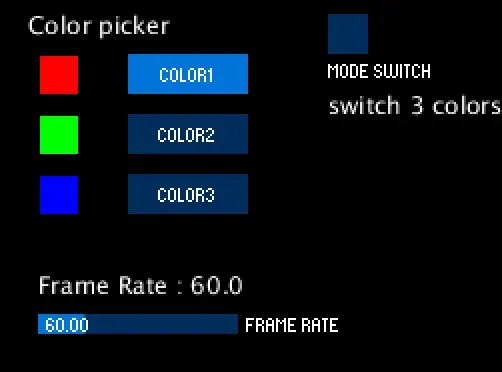

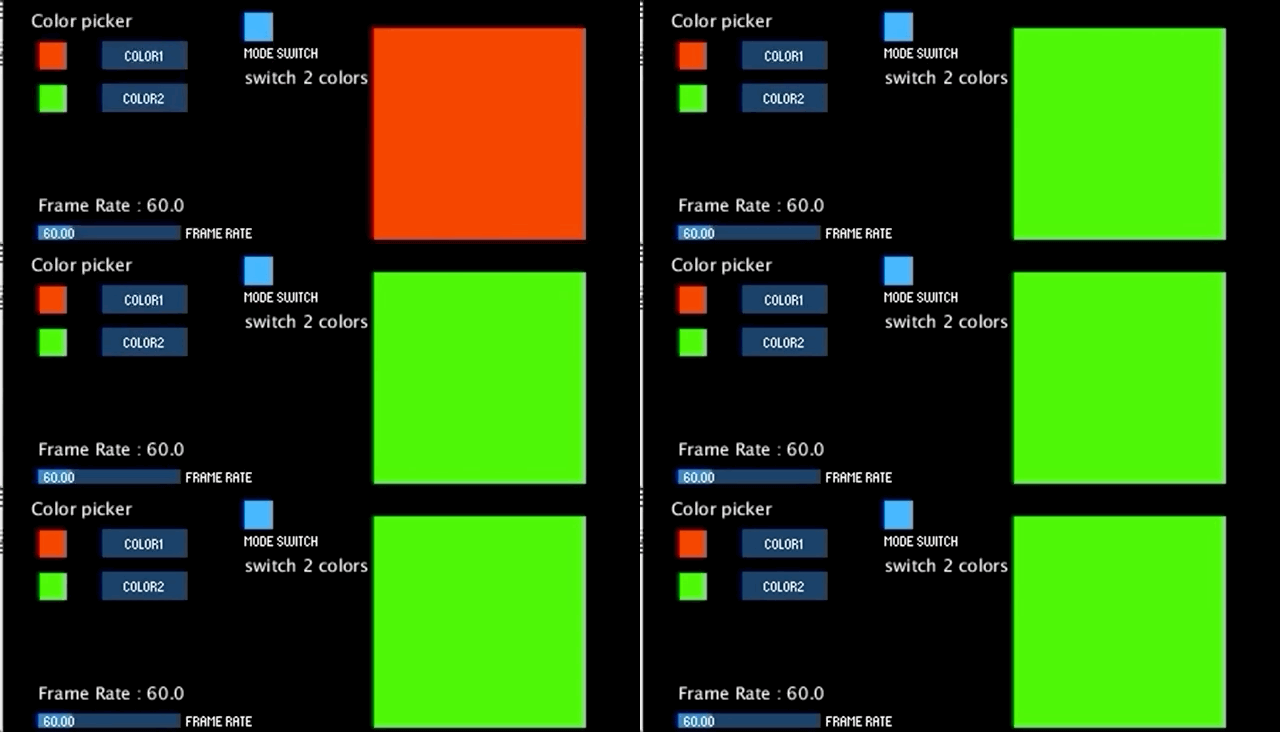
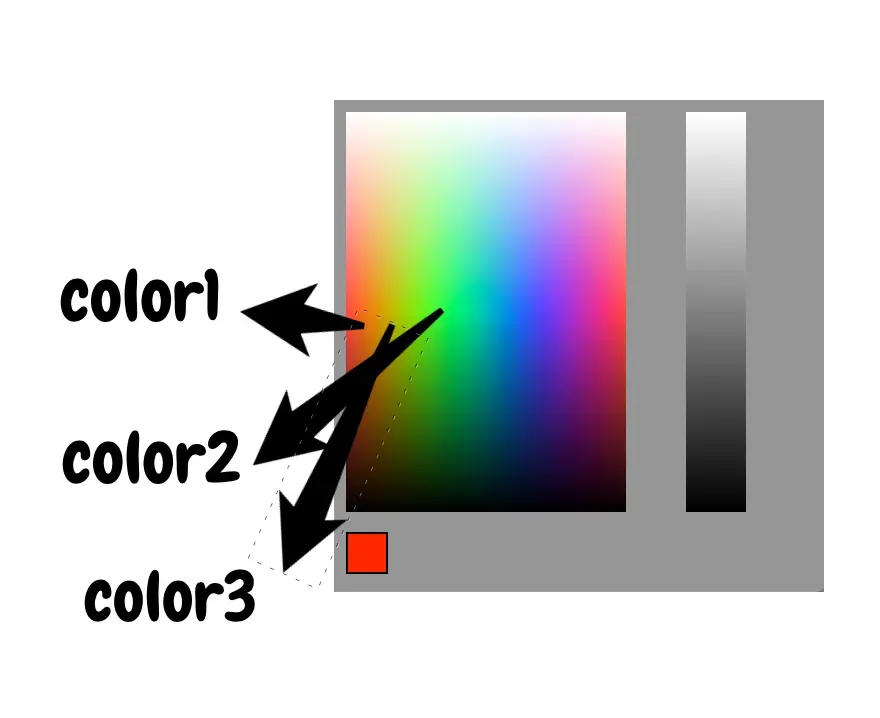
Apparent motion is the perception of movement between separate visual stimuli. Even when nothing physically moves across the screen, the brain can connect two events and experience them as one continuous motion.
It is for readers who want to understand the implementation, design tradeoffs, and learning context behind Apparent Motion.