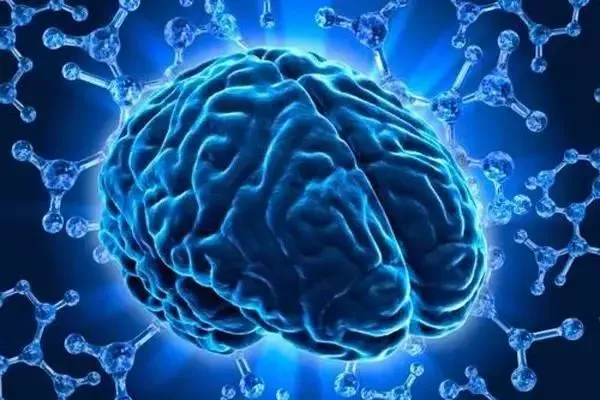
An Overview of Brain Neuroscience: This note summarizes basic ideas from neuroscience that are useful for understanding brain computer interfaces. A BCI system depends on both biological signals and computational interpretation.
This note summarizes basic ideas from neuroscience that are useful for understanding brain-computer interfaces. A BCI system depends on both biological signals and computational interpretation.
The brain is made of networks of neurons. These neurons communicate through electrical and chemical activity, and large-scale patterns of activity can sometimes be measured from outside the brain.
Different measurement methods provide different tradeoffs. Some methods have high spatial resolution, while others are easier to use but noisier. Understanding these tradeoffs is essential before designing a BCI application.
For software builders, the important point is that brain signals are not clean commands. They are indirect, noisy, and context-dependent. A system must be designed with uncertainty in mind.
Before publishing, I would add a diagram comparing EEG, fMRI, invasive methods, and the type of signal each one can provide.
The following source media, links, code, and MDX components are kept as technical references.


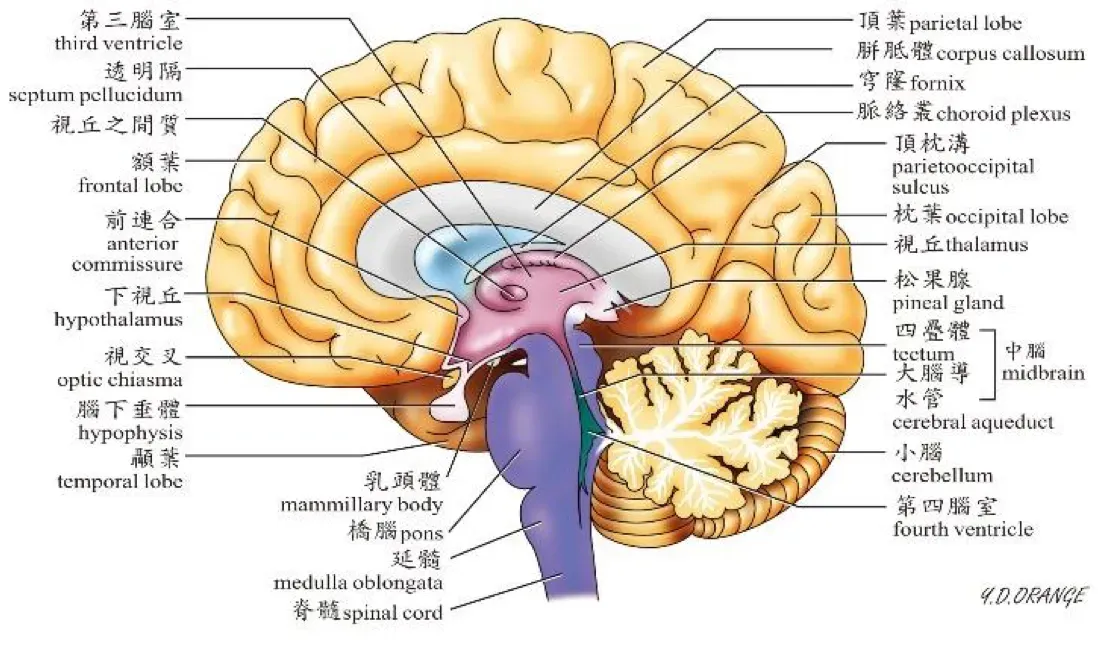
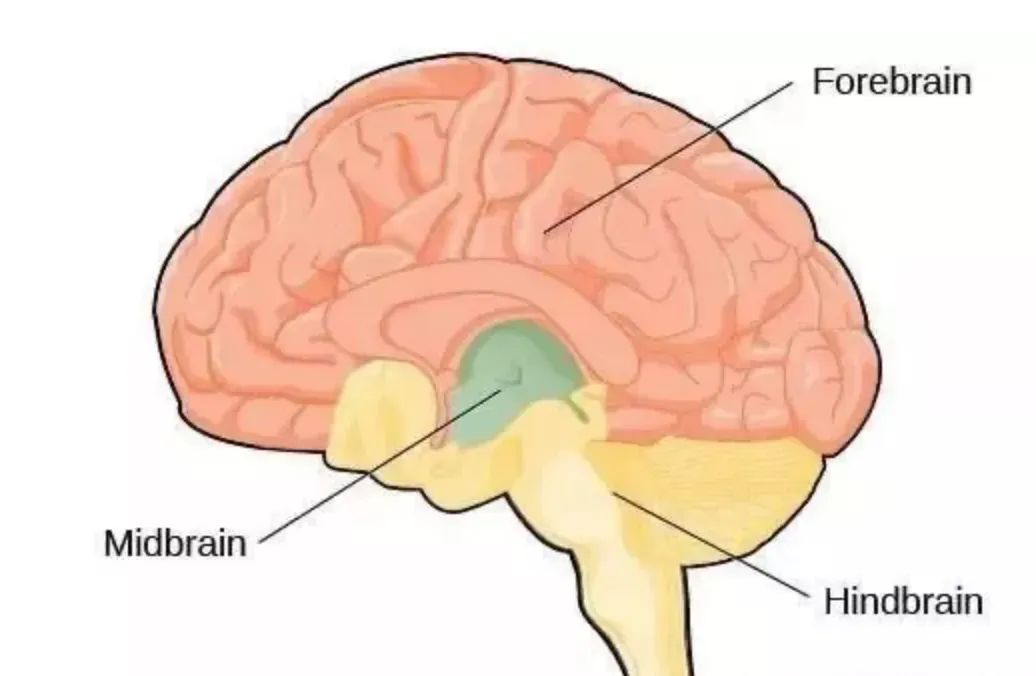
This note summarizes basic ideas from neuroscience that are useful for understanding brain computer interfaces. A BCI system depends on both biological signals and computational interpretation.
It is for readers who want to understand the implementation, design tradeoffs, and learning context behind An Overview of Brain Neuroscience.