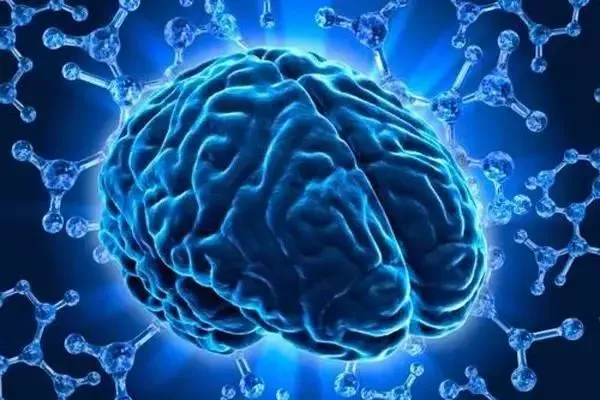
Introduction to Brain-Computer Interfaces: A brain computer interface is a system that uses brain activity as an input signal for a computer. The idea sounds futuristic, but the core challenge is very practical: how can noisy biological signals be turned into useful interaction?
A brain-computer interface is a system that uses brain activity as an input signal for a computer. The idea sounds futuristic, but the core challenge is very practical: how can noisy biological signals be turned into useful interaction?
A typical BCI pipeline includes signal acquisition, preprocessing, feature extraction, classification, and feedback. Each step affects the final user experience.
The most important constraint is reliability. If the system frequently misinterprets the user's intention, the interface becomes tiring instead of empowering.
BCI design also raises ethical questions around privacy, medical claims, accessibility, and the interpretation of neural data. These questions should be considered from the beginning.
This draft can be published as a conceptual introduction after adding examples of real BCI applications and limitations.
The following source media, links, code, and MDX components are kept as technical references.

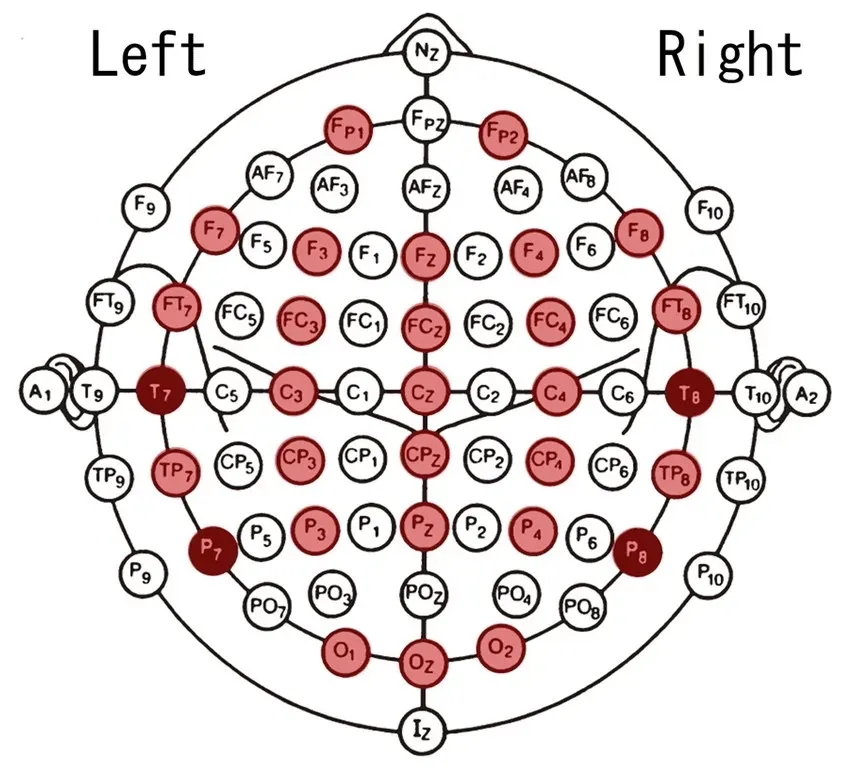
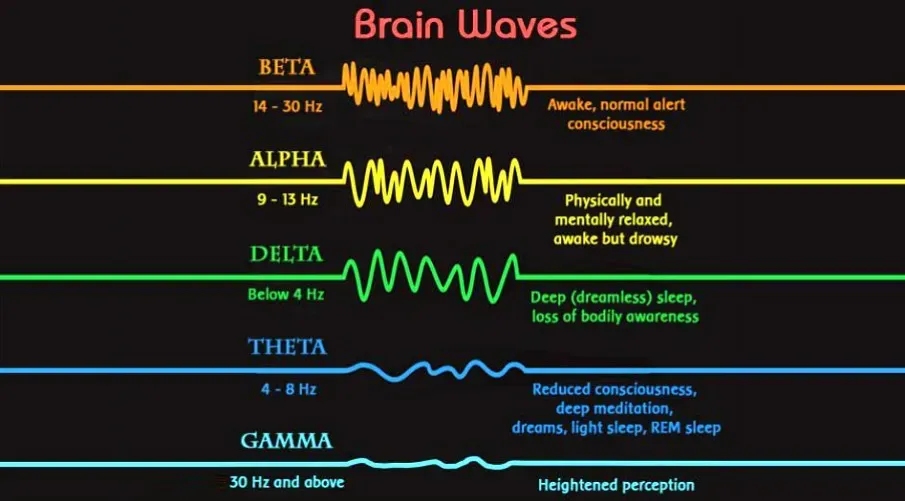
補充:
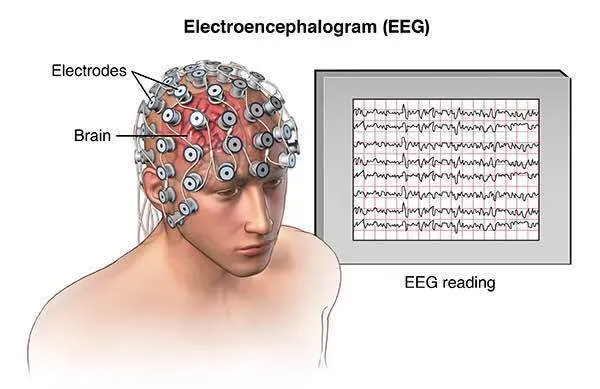
EEG除了上述的三個優點外,我們在使用EEG時也必須考慮EEG的缺點:
1. 低空間解析度
2. 低訊雜比(訊號 :雜訊 的比率)
3. 極度容易被EOG、EMG污染
1. FP (Prefrontal area)

2. F (Frontal area)

3. C (Central)

4. P (Parietal area)頂葉區

5. O (Occipital area)枕葉區
補充:
事件相關非同步化(ERD, Event Related De-synchronize)
腦波因事件刺激而電位下降
事件相關同步化(ERS, Event Related De-synchronize):
腦波因事件刺激而電位上升
A brain computer interface is a system that uses brain activity as an input signal for a computer. The idea sounds futuristic, but the core challenge is very practical: how can noisy biological signals be turned into useful interaction?
It is for readers who want to understand the implementation, design tradeoffs, and learning context behind Introduction to Brain-Computer Interfaces.