After You Start Learning Programming: After the first few programming tutorials, many learners enter a confusing stage. They know some syntax, but they still do not know how to build a real project. This is normal.
After the first few programming tutorials, many learners enter a confusing stage. They know some syntax, but they still do not know how to build a real project. This is normal.
The next step is to move from isolated exercises to small complete systems. A complete system can be tiny: a todo list, a data visualizer, a personal page, or a script that solves one real problem in your life.
At this stage, you should learn by finishing. A finished imperfect project teaches structure, state, data flow, deployment, and maintenance. An unfinished perfect course often teaches only recognition.
You also need to start reading other people's code. Reading code is uncomfortable at first, but it helps you see patterns that tutorials usually hide: naming, file organization, error handling, and tradeoffs.
The most important habit is writing notes after each project. Record what confused you, what finally worked, and what you would do differently next time. That is how scattered learning becomes reusable experience.
The following source media, links, code, and MDX components are kept as technical references.

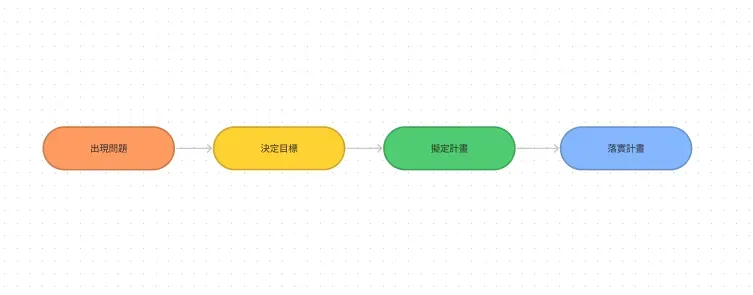
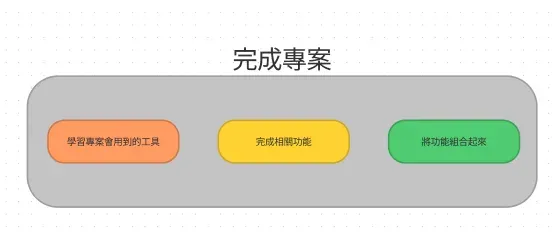
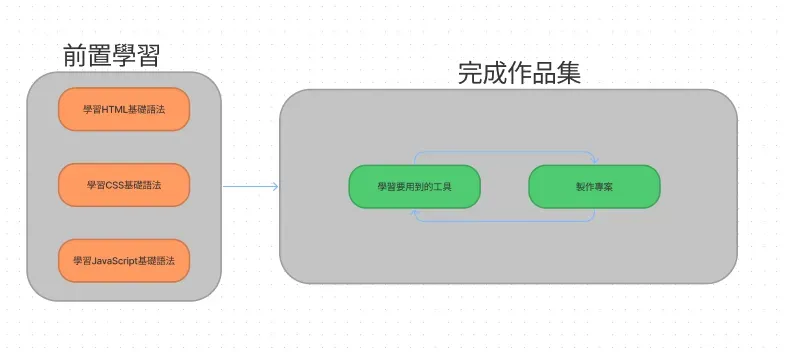
After the first few programming tutorials, many learners enter a confusing stage. They know some syntax, but they still do not know how to build a real project. This is normal.
It is for readers who want to understand the implementation, design tradeoffs, and learning context behind After You Start Learning Programming.